In Jurassic World Rebirth, the true antagonist isn’t a prehistoric predator, but the crushing weight of unresolved trauma. The film opens with a reckless mistake—a discarded candy wrapper causing a containment breach—that serves as a metaphor for the unpredictability of complex systems. While the narrative juggles a stranded family’s survival and a mercenary mission, the film’s core strength lies in its quiet, internal exploration of how the past inevitably sabotages the present.
The Mercenary Arc: More Than Just Action
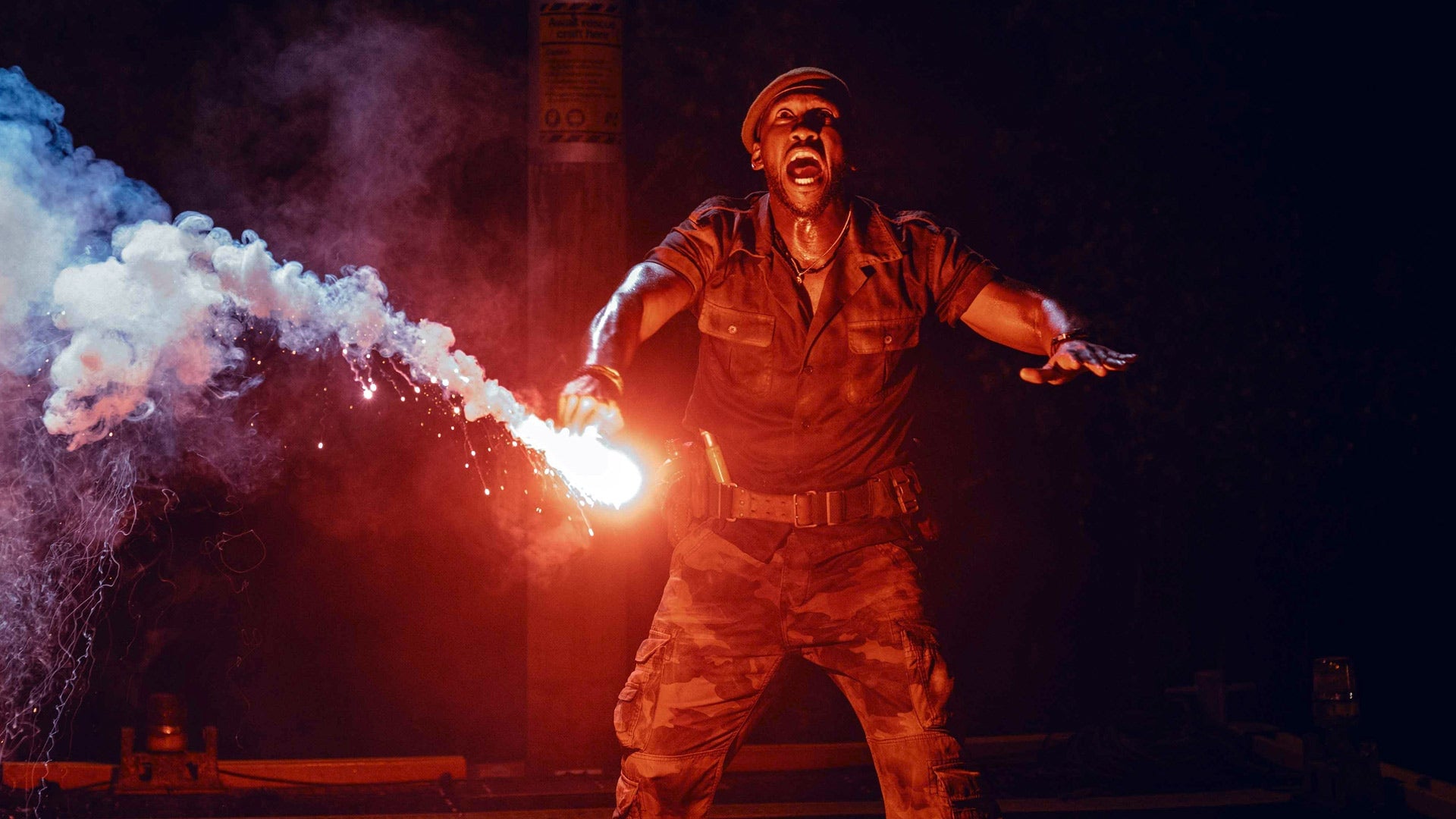
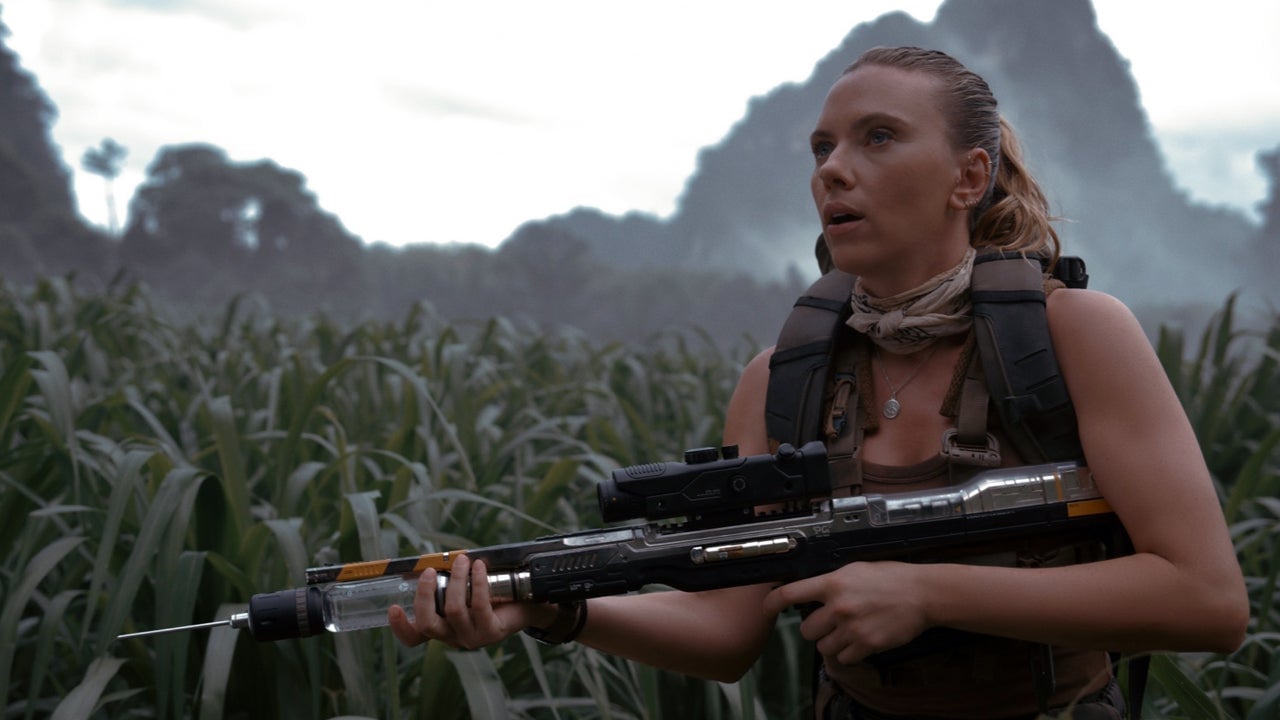
Critics have labeled the mercenary plotline as clunky, yet it provides the essential emotional weight that the film’s ending relies upon. Unlike standard action spectacles, Rebirth focuses on internal struggles. During a high-stakes encounter with aquatic dinosaurs, Duncan Kincaid (Mahershala Ali) loses his composure—a reaction rooted not in the immediate threat, but in the suppressed grief over his own child’s death. His partner, Zora Bennett (Scarlett Johansson), serves as the voice of cold pragmatism, forcing him to confront the fact that he is projecting past failures onto a present crisis.

Trauma as a Silent Predator
Zora herself carries invisible scars from a history of violence and loss, yet she refuses to let these memories dictate her actions. The film brilliantly portrays PTSD not through flashy flashbacks, but through the margins of dialogue and the heavy silence of characters who are too busy surviving to process their pain. This creates a tension that is far more relatable than the film’s CGI threats: the struggle to maintain emotional control when your history is trying to tear you apart.
Challenging the Heroic Sacrifice Trope
Many viewers found the film’s conclusion hollow, likely because it rejects the expected “epic battle” finale. Instead, Duncan faces his guilt by protecting others, leading the D-Rex away in a moment that mirrors a sacrificial death—only for him to survive. By subverting the trope of the martyr, Rebirth suggests that facing one’s demons doesn’t require a noble end. Duncan survives, but he remains deeply shaken; he is a man who has looked at his trauma and chosen to endure, even if the scars remain.
A Pivot from Spectacle to Vulnerability
Ultimately, Jurassic World Rebirth is less interested in dinosaur brawls than in the psychological evolution of its protagonists. The mercenaries rarely fire their weapons, and the “monster” is left largely to its own devices. While this shift away from traditional blockbusters may alienate those looking for wall-to-wall carnage, it transforms the movie into a surprisingly nuanced study of human vulnerability. It is a story about the monsters we carry in our memories, and the difficult, often messy, path toward learning how to live with them.