
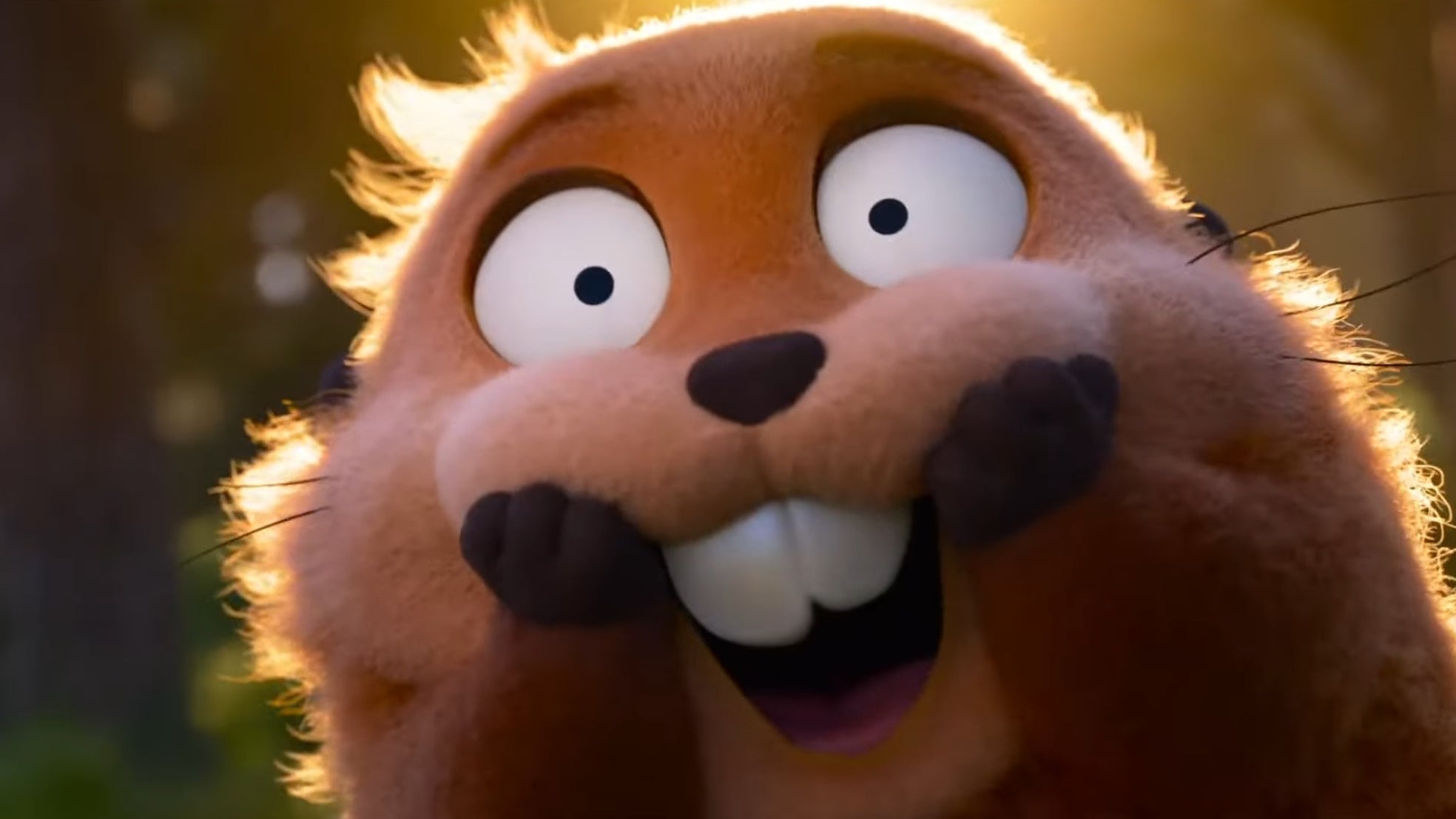
Pixar has officially unveiled the first trailer for Hoppers, an original animated feature arriving next year that explores a high-concept premise: what if humans could inhabit the bodies of animals to study their cultures?
A Fresh Start for Pixar?
Following the underwhelming box office performance of Elio, the studio is under pressure to prove that its original storytelling can still capture audiences in an era dominated by established franchises. While Pixar is renowned for its ability to tackle complex emotional narratives, Hoppers signals a shift toward broad, lighthearted comedy—a tonal pivot that feels reminiscent of the studio’s earlier days, specifically A Bug’s Life.
The ‘Avatar’ Premise With a Rodent Twist
The plot centers on Mabel Tanaka, a scientist who uses a specialized device to transfer her consciousness into a mechanical beaver. The trailer leans into the obvious comparisons to James Cameron’s Avatar, even acknowledging the structural similarities early on. However, the stakes quickly escalate when Mabel decides to remain in her beaver form to protect the local habitat from a destructive construction company.
Can Pixar Reclaim the Comedy Crown?
The two-minute trailer highlights observational humor centered on Mabel’s newfound ability to communicate with wildlife. This goofy, animal-centric approach has traditionally been the stronghold of DreamWorks Animation, with successful franchises like Madagascar and Kung Fu Panda. Whether Pixar can successfully pivot into this territory remains to be seen, but the early footage suggests a charming, high-energy adventure.
The Road Ahead: Beyond ‘Hoppers’
Hoppers is not the end of the road for Pixar’s original works. Enrico Casarosa, the director behind Luca, is currently developing Gatto, a 2027 feature about a black cat navigating the Venetian feline underworld. Given the massive cult following Luca developed after its Disney+ release, there is optimism that original stories can still find their footing.
The studio’s long-term schedule is heavily front-loaded with sequels, including Toy Story 5, Incredibles 3, and the likely Inside Out 3. With no original Pixar property having ever reached the $1 billion box office milestone, the studio faces a difficult paradox: it relies on the success of sequels for financial security, yet those sequels cannot exist without the foundation of successful original films. Hoppers represents a critical test case for whether the studio can cultivate a new generation of billion-dollar intellectual properties.