

HBO’s The Last of Us officially returned for its second season yesterday, and while the series has drawn criticism for stripping away the mystery and tension found in Naughty Dog’s source material, one standout moment proved the adaptation can still land the emotional beats: the pivotal Jackson dance scene.
A Shift in Timeline for Ellie and Dina

The season premiere, titled “Future Days,” centers on the Jackson settlement, where Joel (Pedro Pascal) and Ellie (Bella Ramsey) have resided for five years. While Ellie remains jaded and eager to fight infected rather than integrate into civilian life, her focus remains tethered to Dina (Isabela Merced). The chemistry between the two is palpable, even as Ellie’s deep-seated insecurities keep her at an emotional distance.
Recreating a Defining Game Moment
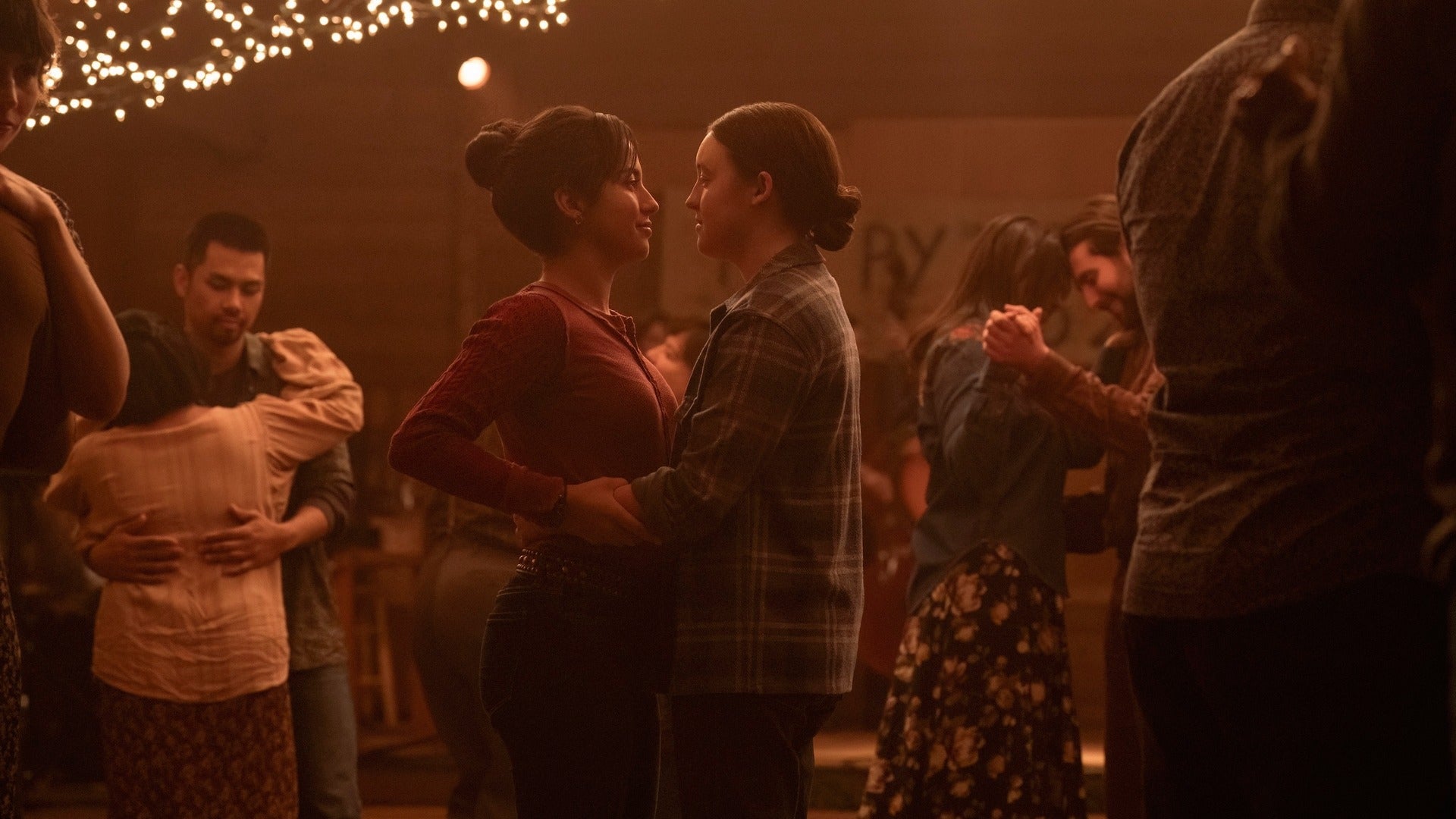
In the game, the dance is a bittersweet flashback appearing in the final hours of The Last of Us Part II. However, fans will remember it as the iconic scene showcased during E3 2018. Despite the show’s frequent tendency to over-explain character motivations—a narrative choice that has been met with mixed reviews—the dance sequence was adapted with refreshing restraint. It captures the exact dynamic that made the original scene so powerful: Dina’s playful, vibrant nature acting as the perfect foil to Ellie’s world-weary, guarded exterior.
Vulnerability on the Dance Floor
As Crooked Still’s “Ecstasy” plays, the tension between the two reaches a breaking point. When Dina pulls a hesitant Ellie onto the floor, the show manages to mirror the game’s dialogue almost perfectly. The intimacy of their slow dance highlights Ellie’s struggle with self-worth; even as they share a kiss, Ellie remains convinced that Dina couldn’t possibly view her as more than a friend, dismissing the encounter as a result of drunken spontaneity.
The Harsh Reality of Jackson
The fleeting moment of connection is abruptly shattered by the arrival of Seth (Robert John Burke), whose judgmental intervention and use of a slur force Joel to step in. The ensuing confrontation highlights the underlying baggage between Joel and Ellie, a conflict that will undoubtedly serve as a focal point for the remainder of the season.
For viewers frustrated by the show’s heavy-handed exposition, this sequence serves as a reminder of the power of the original game’s understated writing. It is a rare instance where the series recognizes that some of the most impactful moments in a story require no additional notes or dialogue to resonate with an audience.