
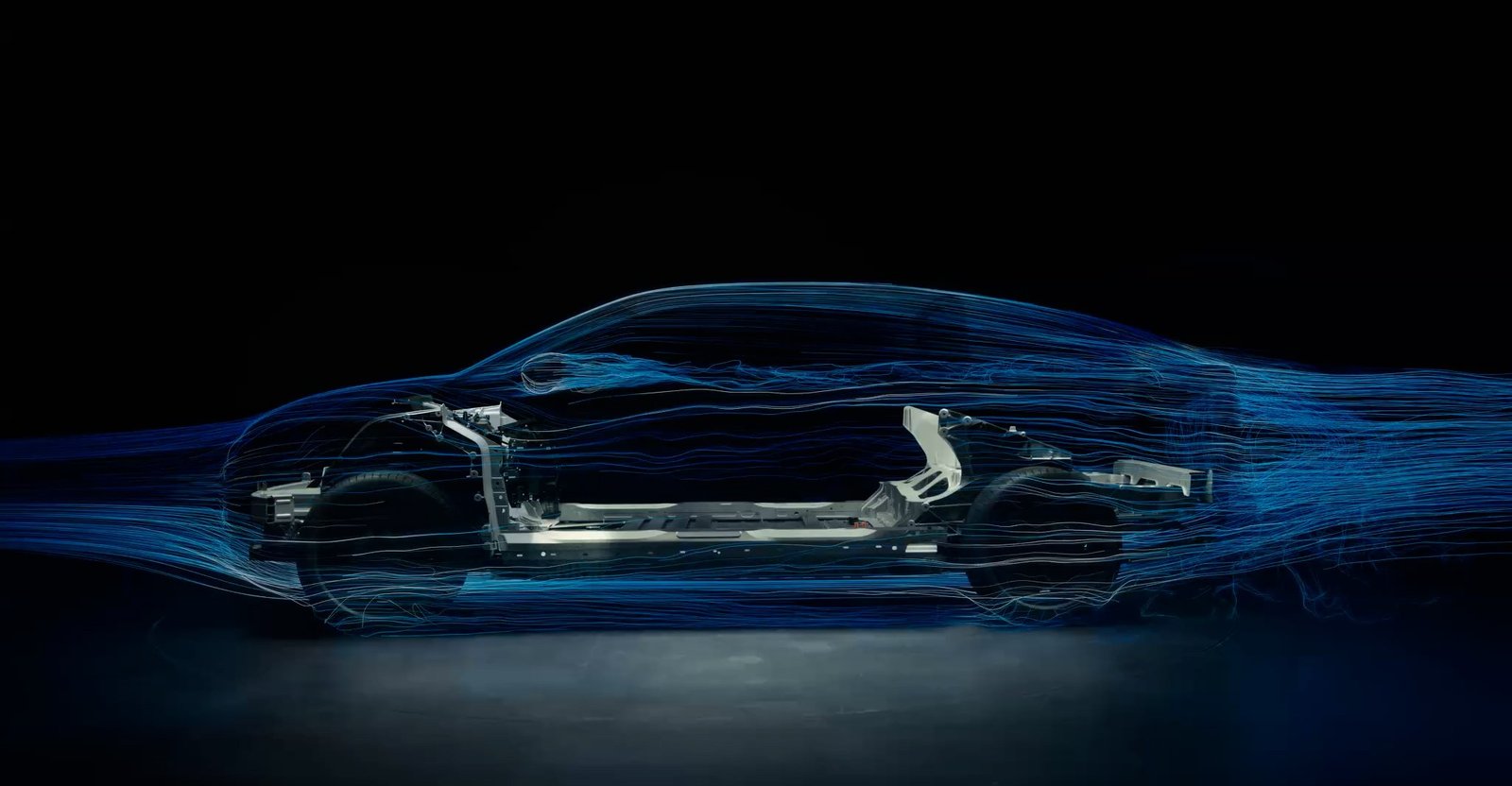
Ford is pivoting its electric vehicle strategy by tasking a secret Silicon Valley skunkworks team with developing a new, high-efficiency “Universal EV Platform” (UEV), aiming to launch a $30,000 midsize electric truck by 2027. Following a $19.5 billion loss on EV investments in 2025 and the discontinuation of the F-150 Lightning, the 122-year-old automaker is abandoning oversized designs in favor of purpose-built, affordable, and aerodynamic vehicles.
The Skunkworks Strategy
Led by former Tesla veteran Alan Clarke, a team of 500 engineers is currently transitioning from design to the “heavy lifting” phase of supply chain integration. The objective is clear: combine Ford’s massive manufacturing scale with lean, innovative engineering to prioritize affordability without sacrificing performance.

The “Bounty” System: Engineering Trade-offs
The primary barrier to affordable EVs is the battery, which accounts for roughly 40 percent of a vehicle’s total cost. Rather than waiting for breakthrough battery chemistries, Ford’s team is utilizing a “bounty” metric system. This system assigns a specific monetary value to every design decision—such as roof height or material weight—to help engineers understand how micro-adjustments impact the final cost and range.
Fighting Physics Through Aerodynamics and Casting
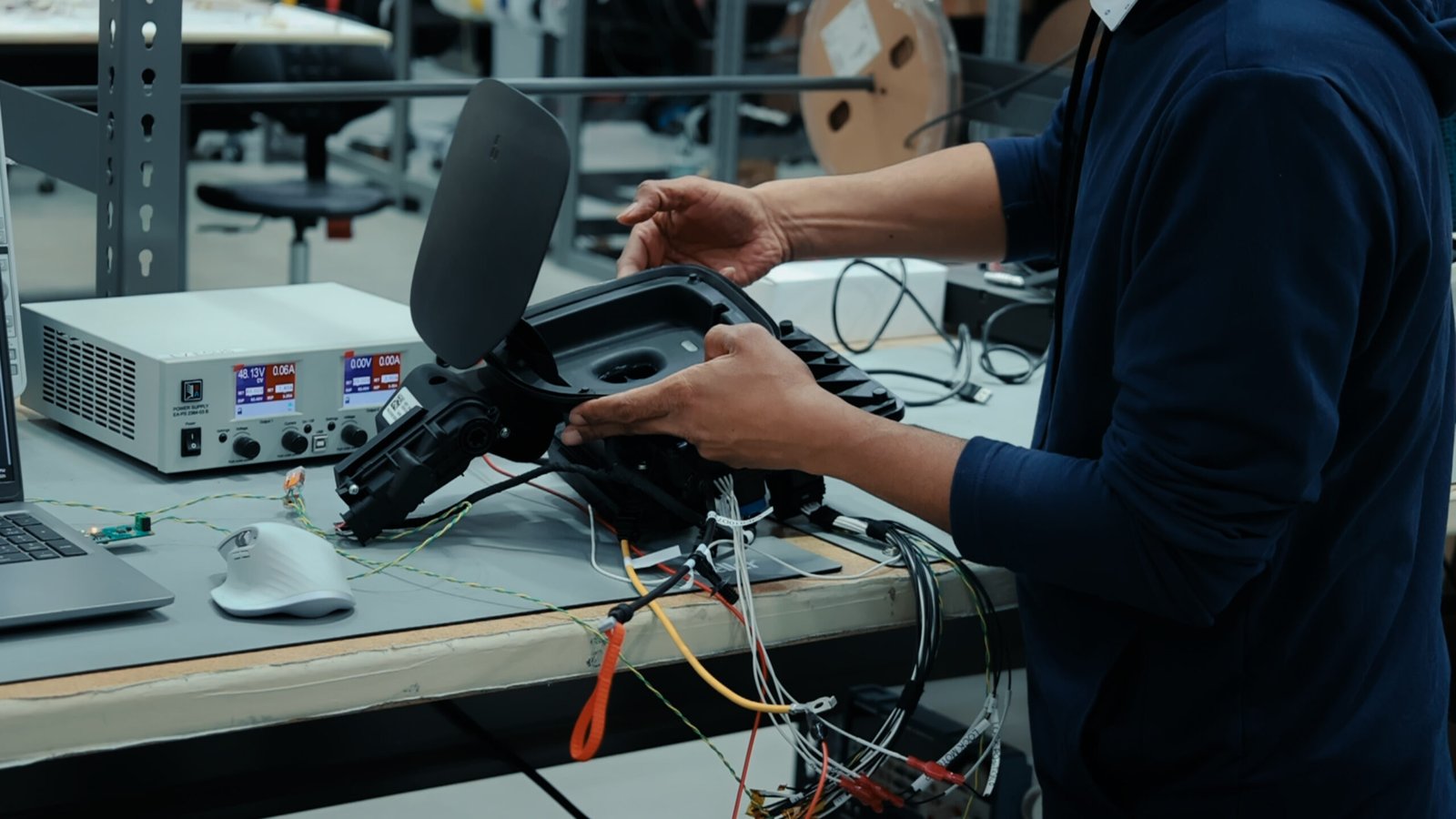
To maximize range, Ford is applying Formula One-inspired aerodynamic techniques, including streamlined underbodies and specialized airflow routing. By redesigning side mirrors into a single-actuator unit, the team shaved 20 percent off the mirror’s mass. Furthermore, Ford is replacing complex structural assemblies with large aluminum unicastings; while the current Maverick uses 146 structural parts, the upcoming midsize electric truck will utilize just two.
The company is also shifting to LFP (lithium iron phosphate) batteries in a cell-to-structure architecture, eliminating the need for expensive nickel and cobalt while turning the battery pack into a structural component of the vehicle’s frame.
Zonal Architecture and the E-Box
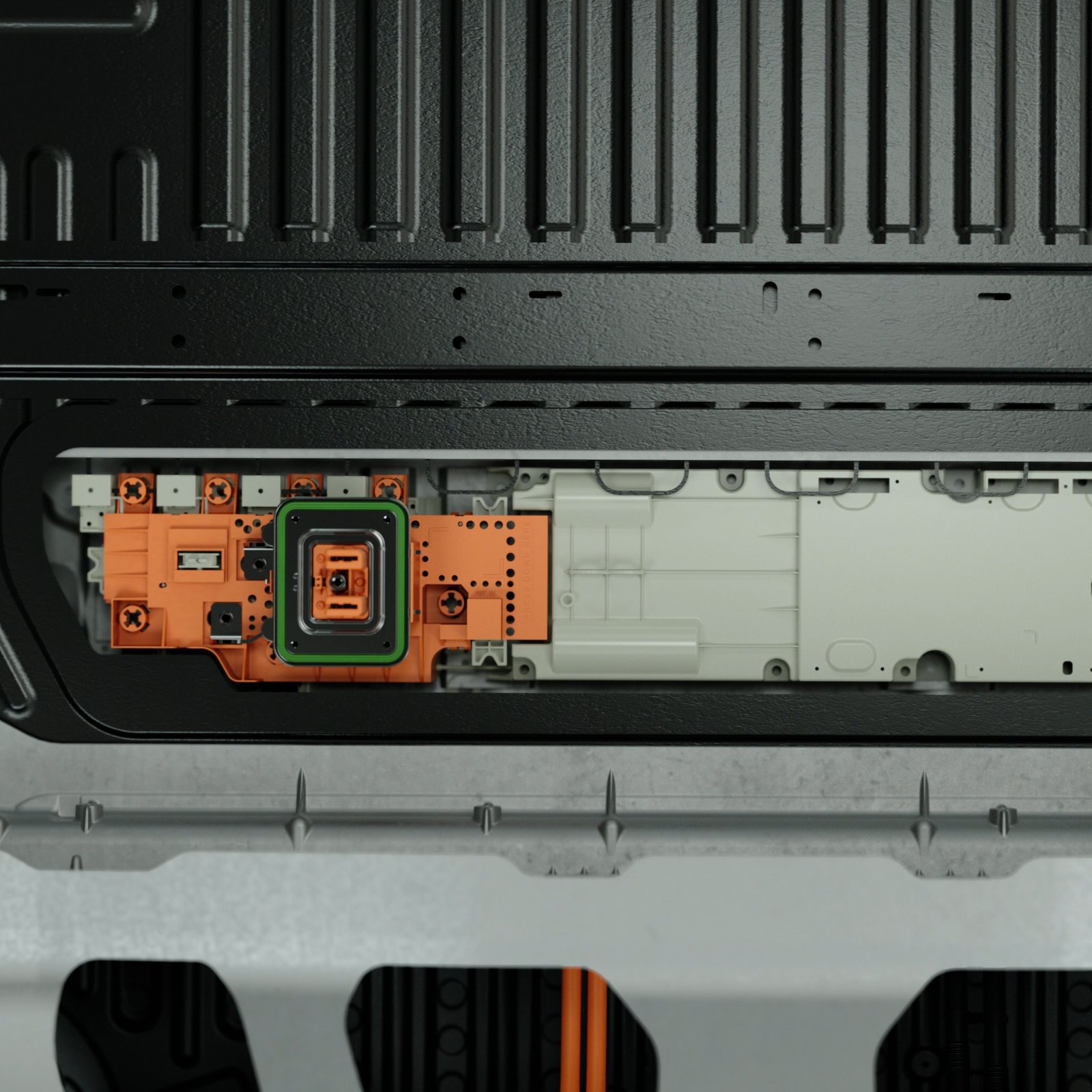
The UEV platform will introduce a true zonal wiring system, significantly reducing harness complexity and electronic control units (ECUs). This is complemented by the “E-Box,” a compact, serviceable module that consolidates the DC-to-DC converter, AC charger, and power distribution systems. While the platform will stick to a 400-volt architecture—prioritizing flexibility and cost over the ultra-fast charging of 800-volt systems—Ford believes this is the optimal path for the mass market.
A New Design Language
Early teasers suggest the new electric pickup will move away from the traditional, blunt-fronted truck aesthetic. Instead, the design leans into an aerodynamic, teardrop-inspired shape. According to Clarke, the goal is to bridge the gap between pure efficiency and consumer desire, ensuring the vehicle is as visually compelling as it is cost-effective.