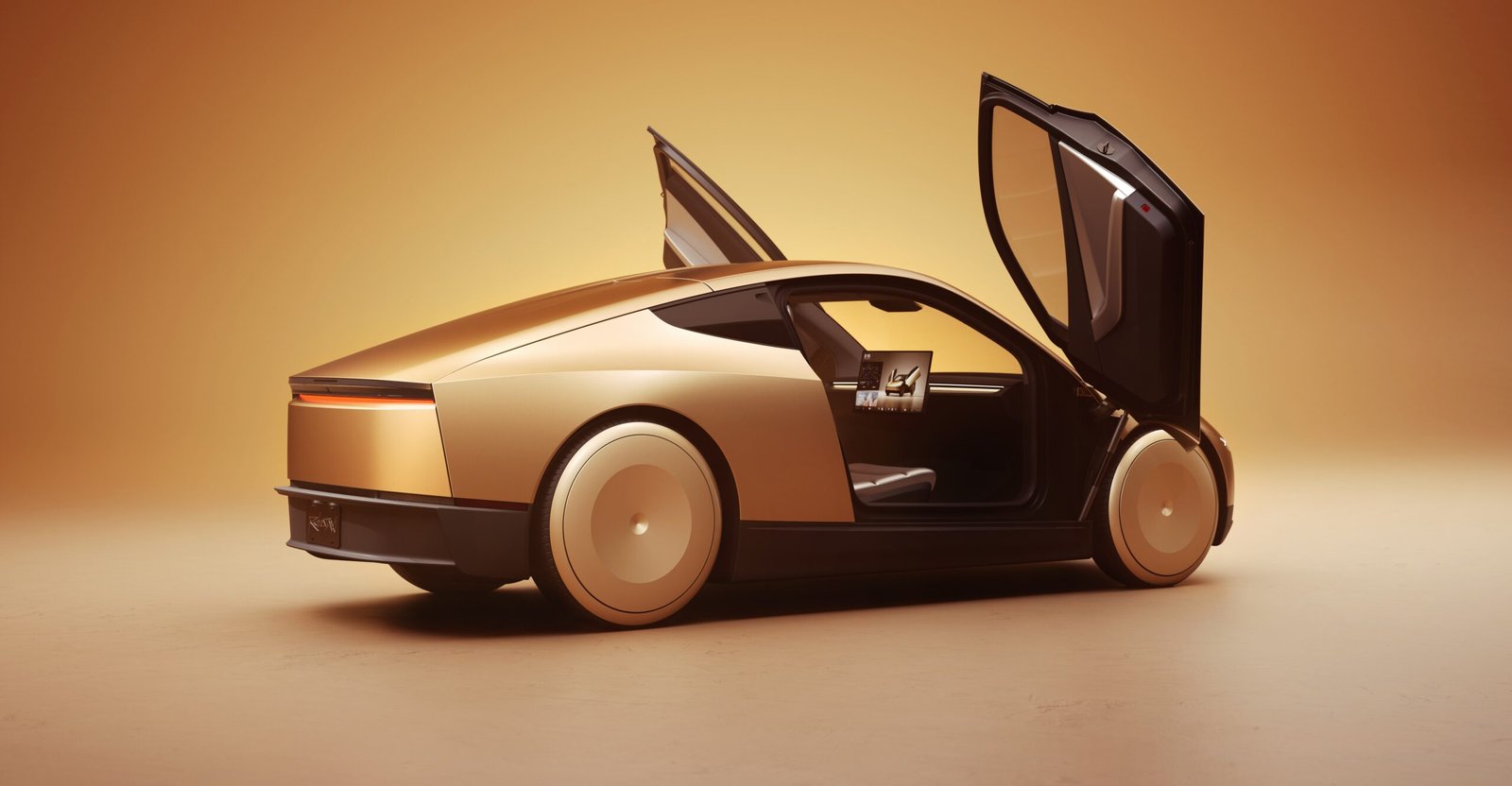
Tesla’s highly anticipated Cybercab, slated for 2026 production, may be forced to retain a steering wheel to comply with federal safety regulations, according to comments from board chair Robyn Denholm. Despite being marketed as a revolutionary, fully autonomous vehicle, the realities of government oversight are pushing the company to reconsider its design.

The Regulatory Hurdle
While the Cybercab was unveiled in Hollywood as a vision of the future—a sleek, two-seater vehicle devoid of manual controls—the automotive industry is still bound by strict safety standards. Denholm admitted to Bloomberg that the vehicle might need to include a steering wheel and pedals to satisfy regulators. Without these, Tesla would be required to seek federal exemptions, a process known for its complexity and significant trade-offs.
The Risk of Removing Manual Controls
The decision to omit a steering wheel was intended to signal Tesla’s commitment to pure autonomous technology. However, this design choice poses a substantial risk to the vehicle’s timeline. History serves as a cautionary tale: General Motors attempted to secure similar exemptions for its Cruise Origin shuttles, only to face years of regulatory delays before ultimately scrapping the project and pausing Cruise operations following safety concerns.

Production Caps and Political Friction
Even if Tesla successfully secures an exemption, federal rules currently cap production for such vehicles at 2,500 units per year. Such a limitation would severely hinder Tesla’s ambitions to scale as a global AI and robotics powerhouse.
The regulatory landscape is further complicated by the current political climate. Although the Department of Transportation has expressed interest in streamlining autonomous vehicle reviews, raising the annual production cap requires Congressional action—an unlikely prospect in the current legislative environment. Furthermore, a growing dispute between Elon Musk and Secretary Sean Duffy regarding a SpaceX contract adds another layer of uncertainty to the future of Tesla’s autonomous roadmap.