
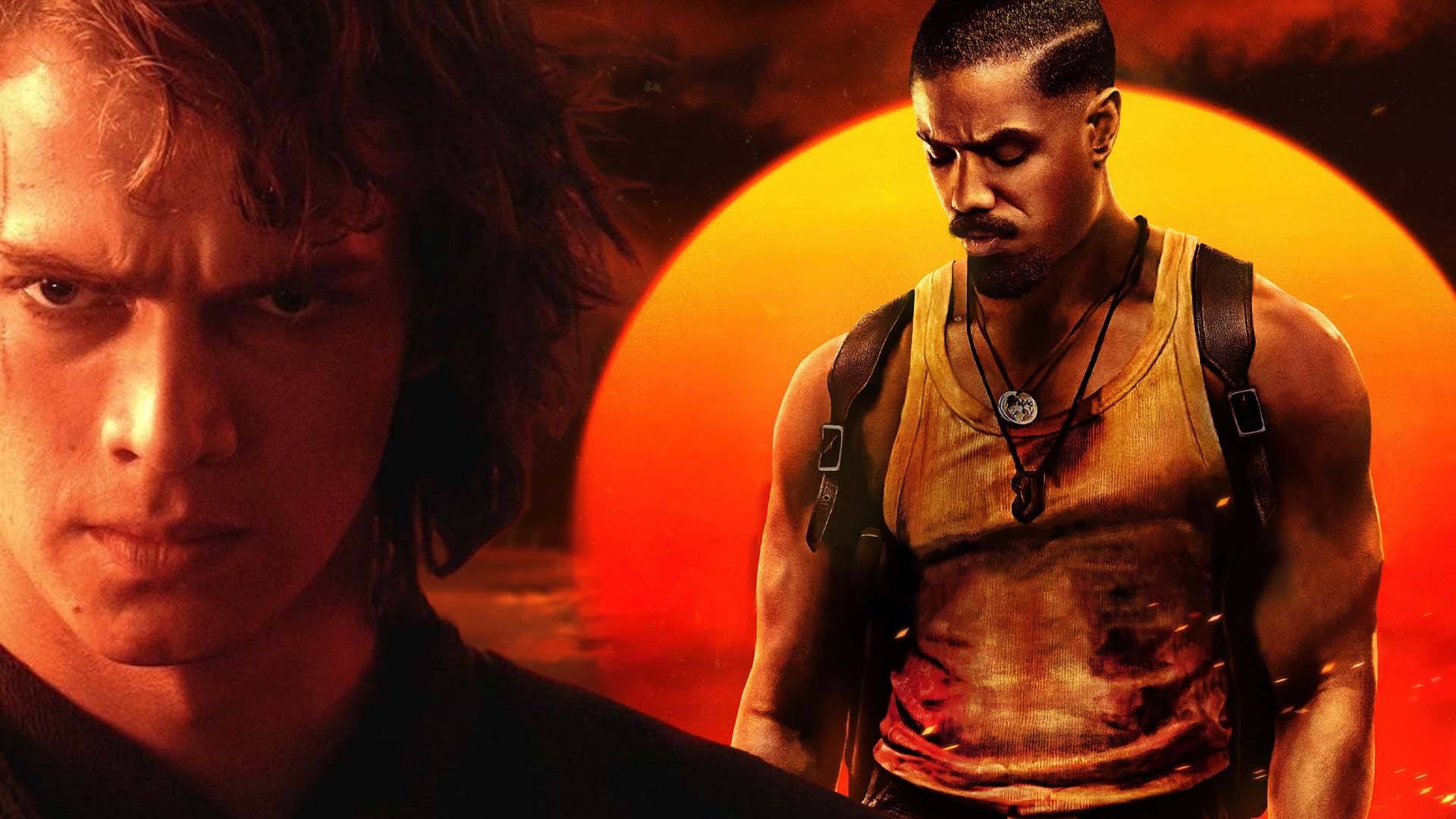
The domestic box office experienced a rare anomaly this past weekend as Ryan Coogler’s original horror film Sinners defied industry trends with minimal second-week slippage, while the 20-year-old Star Wars: Episode III – Revenge of the Sith staged a massive, unexpected theatrical comeback.
The Rare Resilience of ‘Sinners’
Following a robust $55 million opening over Easter weekend, Sinners has proven that original live-action horror can maintain momentum in a saturated market. Despite an estimated $90 million production budget, the film’s performance suggests profitability is well within reach. According to Box Office Mojo, the film pulled in $45 million during its second weekend—a mere six percent drop from its debut.
This retention rate is statistically anomalous for the genre. For context, the 2023 hit M3GAN saw a nearly 40 percent decline in its second weekend, while the 2018 Halloween reboot plummeted by 58 percent. With a current worldwide haul of $161 million, Sinners is positioned for a strong run throughout May.
The Force Awakens: ‘Revenge of the Sith’ Re-release
Simultaneously, the theatrical landscape witnessed a surge of nostalgia as Revenge of the Sith returned to screens. The two-decade-old film captured an astounding $42 million globally, with the majority of that revenue generated in the U.S. It secured the second-place spot at the domestic box office, narrowly edging out the newly released The Accountant 2.
What Do Modern Audiences Actually Want?
The duality of these results presents a complex narrative for studios. One could argue that the success of the Star Wars re-release indicates a shift toward “comfort food” cinema, where audiences prefer the security of established IP over the risk of new narratives. Conversely, the record-breaking hold of Sinners signals a clear appetite for fresh, auteur-driven storytelling.
Ultimately, the weekend’s data suggests that the “secret” to theatrical success remains inconsistent. While quality typically drives interest, the massive $800 million global performance of Minecraft—a film widely criticized by critics—proves that market predictability remains as elusive as ever.