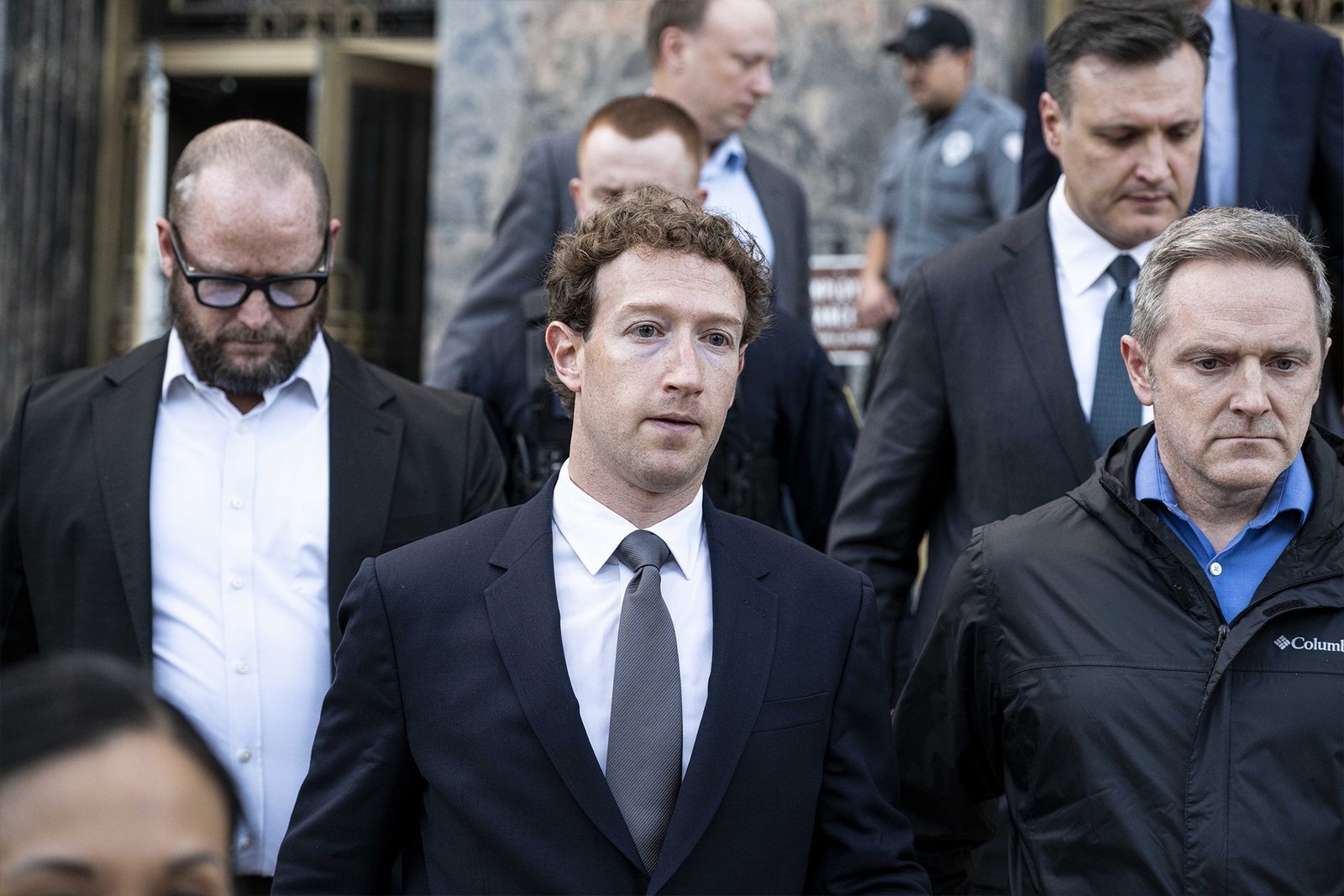

In a tense courtroom showdown in Los Angeles this February, grieving parents faced Meta CEO Mark Zuckerberg, seeking to hold social media giants accountable for the tragic deaths and mental health struggles of their children. The parents, many wearing butterfly clips as a symbolic tribute to their lost kids, gathered in hopes of securing a rare seat to witness the tech mogul testify in a landmark case that challenges the addictive design of platforms like Instagram and YouTube.

The High-Stakes Legal Battle
The trial centers on a 20-year-old plaintiff known as K.G.M., or Kaley, who alleges that the intentionally addictive design of social media platforms contributed to her severe body image issues and suicidal thoughts. Meta and Google are fighting the claims, arguing that their products aim to foster positive experiences and that external factors in Kaley’s life were the true drivers of her mental health decline. While Snap and TikTok opted to settle, this “bellwether” case could set a massive legal precedent for over 1,500 pending lawsuits, potentially forcing tech companies to internalize the safety costs of their business models.
Zuckerberg Under Fire
For the parents in attendance, the atmosphere was charged with raw emotion. Many had previously seen Zuckerberg testify before Congress, but they viewed the courtroom setting as fundamentally different. “Now you’re in front of a jury, not congressmen and women who are also lining their pockets with money from Big Tech,” noted Brandy Roberts, whose daughter died by suicide at 14. During the proceedings, internal documents surfaced showing that Meta executives were aware of concerns regarding filters that could promote body dysmorphia in teen girls, despite lifting bans on those features.

Seeking Justice Beyond the Verdict
Regardless of the jury’s decision, these advocates are fighting a battle in the court of public opinion. They spent the trial’s duration sharing their children’s stories—from choking challenges learned on YouTube to fentanyl poisonings facilitated by social media connections. “We need the awareness. We need public pressure on our politicians,” said Annie McGrath, whose son died at 13. The parents emphasize that while they cannot bring their children back, they hope to force platforms to implement safeguards that protect future generations.
The Human Cost of “Problematic Use”
The defense has attempted to downplay the concept of “addiction,” with Instagram head Adam Mosseri labeling heavy usage as “problematic use” rather than clinical addiction. However, the parents’ testimonies paint a harrowing picture of children who were physically and psychologically tethered to their devices. For the legal team representing Kaley, led by attorney Mark Lanier, the goal is to prove that these platforms were negligently designed and that their impact on users constitutes a clear, actionable harm.

A Procedural and Emotional Gauntlet
The trial has been fraught with delays, including a judge’s concussion, water damage at the courthouse, and the hospitalization of a juror. Even Zuckerberg’s entrance was marked by controversy, as the court had to address the potential use of camera-studded Ray-Ban smart glasses by his entourage. Despite the legal complexities, the parents remain committed to the process. As Toney Roberts aptly summarized, “We live it every day anyway. If it’s going to help another family to not go through the situation, we’re hoping together that we can bond and bring awareness.”